Quick answer: Halal certification in Malaysia (MS 1500, audited by JAKIM) is built on Good Hygiene and Good Manufacturing Practices — and a documented pest control programme using halal-compliant methods and materials is an explicit requirement. Pests and their droppings are a contamination that breaches the standard, so a certified food factory needs food-safe products, targeted so they never contaminate halal lines, plus the documentation a JAKIM auditor accepts. See our commercial services →
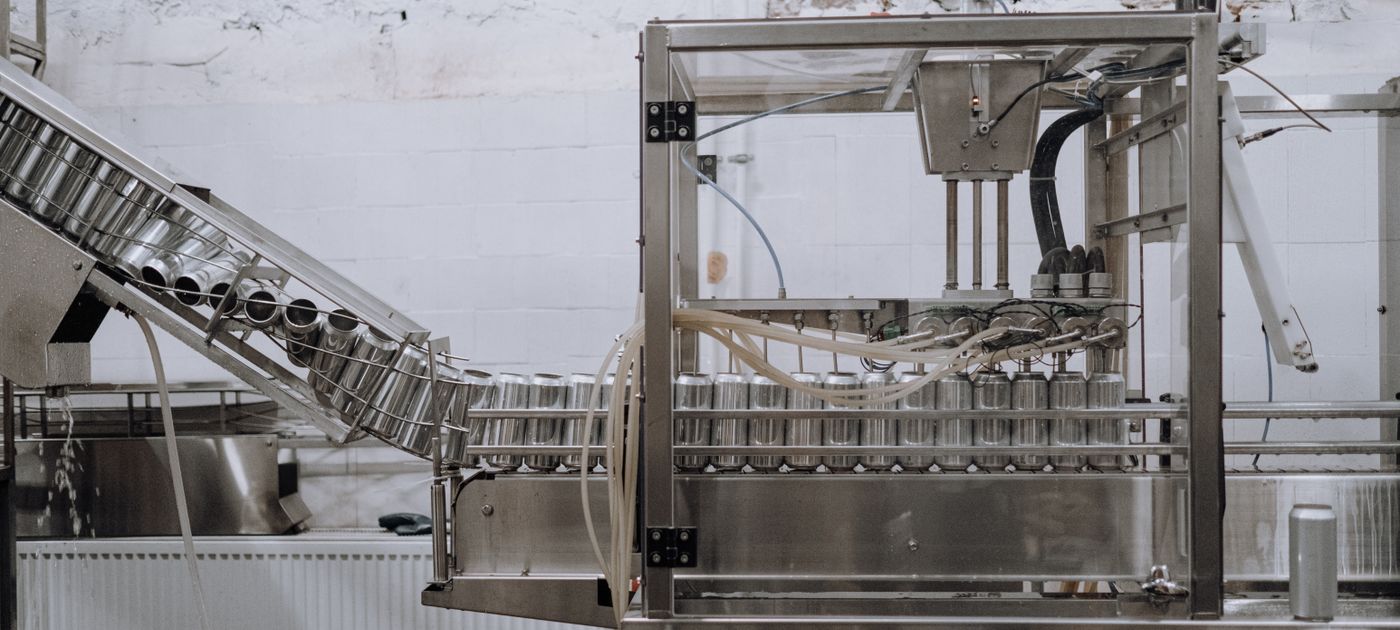
For a halal-certified food manufacturer, pest control isn’t a facilities afterthought — it’s a line item in the certification itself. Malaysia’s halal food standard, MS 1500, is built on Good Hygiene and Good Manufacturing Practices, and it explicitly requires a documented pest control programme using halal-compliant methods and materials. A JAKIM auditor treats a rodent in your production hall or a gap in your pest records the same way they treat any other breach of the standard — as a finding that can hold up your certificate. This is what that programme has to look like, and how it stays audit-ready without ever compromising your halal lines.
Does halal certification require pest control?
Yes — directly. Malaysia’s halal food standard is MS 1500, and halal certification is granted and audited by JAKIM (the Department of Islamic Development Malaysia). MS 1500 doesn’t sit on its own: it’s built on top of Good Hygiene Practices and Good Manufacturing Practices, the same GHP/GMP foundations as MS 1480 (HACCP) and MS 1514.
Inside that foundation, a documented pest control programme — using, in the standard’s own terms, halal-compliant methods and materials — is an explicit requirement. In practice, that means when a JAKIM auditor walks your facility, “how do you keep pests out, and where are your records” is a question they will ask, and one you have to answer with evidence, not assurances.
Why pests are a halal-compliance risk
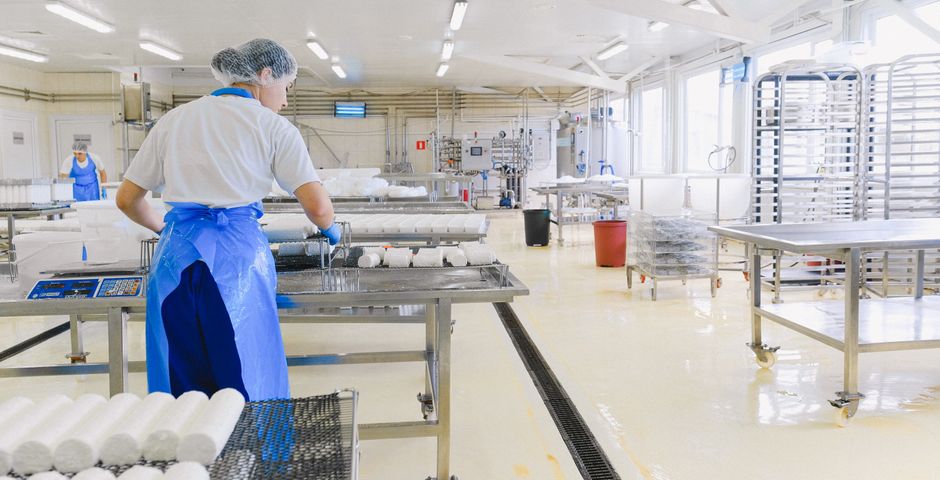
In most factories a pest is a hygiene problem. In a halal facility it’s also an integrity problem, because contamination is exactly what halal certification exists to prevent. Rodent droppings on a pallet of raw material, insect fragments in a batch, or a carcass found in a line aren’t just dirty — they compromise the halal status of the product, and they breach the Good Hygiene Practices the certification is built on.
That raises the stakes on every sighting. A cockroach in a restaurant is a bad review; a rodent in a certified production hall during a JAKIM audit is a finding that can put your certificate — and every contract that depends on it — on hold. For a halal manufacturer, pest control is protecting the licence to sell.
What do MS 1500 and JAKIM expect?
The expectation is a documented programme, run under GHP/GMP and sitting inside your Halal Assurance System (HAS). An auditor wants the evidence file, and it’s the same prerequisite-programme pack that HACCP and MS 1480 audits ask for:
- A written service agreement — scope, pests covered, visit frequency.
- Dated service reports — findings, treatment, products used, signed each visit.
- A numbered site map — every external bait station, internal monitor, and fly unit plotted and numbered to match the reports.
- Monitoring logs with trend analysis — activity over time, showing the trend is controlled.
- Corrective-action records — what was found, what was done, whether it worked.
- Safety Data Sheets — for every product, so the materials can be checked against your halal assurance system.
One detail catches food factories out across every scheme: auditors check the records were kept in real time, not written up the week before the audit. A tidy file that doesn’t match the actual service dates reads as backfilled. It’s the same evidence discipline we cover for the F&B side in the HACCP pest control guide.
Can pest control itself affect halal status?
It can — which is exactly why MS 1500 specifies halal-compliant methods and materials, not just “some pest control.” The programme has to control pests without introducing a new contamination of its own, so two things matter: what’s used, and how it’s applied.
The how is targeted control — gel baiting and monitoring placed into cracks, voids, and external stations, never a broadcast application over open product or a food-contact surface. The what is food-safe products with documentation. Nomobug uses food-safe, HACCP-certified products and supplies the Safety Data Sheet for everything applied, so your halal team — and the JAKIM auditor — can verify each material against your Halal Assurance System. The certificate and the halal-compliance sign-off stay with you and your halal authority; a good pest vendor’s job is to make that verification easy, not to claim it for you.
The pests a halal food factory must control
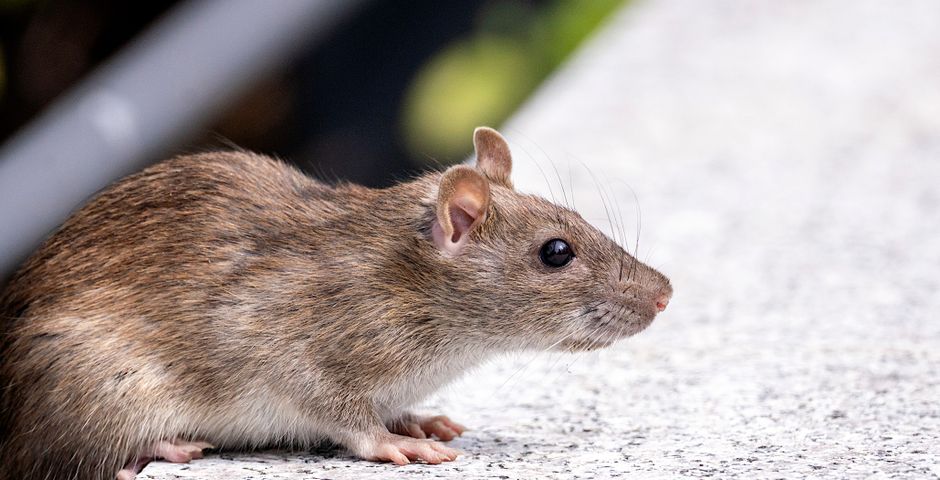
The pest profile is the standard food-factory line-up, each with a halal-contamination angle:
- Rodents. The biggest risk. The Norway rat (Rattus norvegicus) from drains and loading bays and the Asian house rat (Rattus tanezumi) indoors — droppings, urine, hair, and gnaw damage in raw materials and product.
- Cockroaches (Blattella germanica). In wet areas, drains, and equipment voids near production.
- Houseflies (Musca domestica). Around production, waste, and loading areas, landing on exposed product.
- Stored-product pests. The red flour beetle (Tribolium castaneum) and its relatives, which arrive inside incoming raw materials and breed in flour, grain, and dried ingredients.
The controls are the same as any food factory — exclusion at loading bays, an external bait-station grid, insect light traps, and goods-in inspection for stored-product pests. We cover the mechanics in detail in warehouse and factory pest control; the halal layer is the food-safe materials and the documentation on top.
What does a halal-ready pest programme look like?
Put together, a halal-ready programme is a food-factory programme with the halal and documentation requirements built in from the first visit:
- Exclusion first. Sealing loading-bay gaps, dock seals, and drain entries so rodents are kept out of production and storage.
- External bait-station grid + internal non-toxic monitors. Numbered, mapped, and checked every visit, with no toxic bait near product.
- Insect light traps and stored-product monitoring. Positioned away from open product, logged for trend analysis.
- Food-safe, HACCP-certified products. With Safety Data Sheets for your halal assurance system, applied only by targeted methods.
- The full documentation pack. Reports, site map, monitoring logs, and corrective actions — audit-ready for JAKIM, HACCP, and MS 1480.
A halal-certified food manufacturer in Shah Alam came to us before a JAKIM surveillance audit — rodent droppings had turned up in a dry-goods store and their previous file had a two-month gap. We sealed the loading-bay and drain entries, installed a numbered external bait grid with non-toxic internal monitors, and rebuilt the documentation from scratch on a monthly schedule with SDS for every product. They cleared the audit with the pest programme signed off.
— Job notes, Nomobug field team
How much does it cost?
Food factories vary far too much to quote off a menu — floor area, number of loading bays and production lines, and pest risk all change the scope. So pricing is set after a free site inspection:
Free site inspection first
We survey your facility, then quote a final price
Based on floor area, loading bays, production lines & the audits you’re held to
What a halal food-factory programme includes
- A free site inspection first. We survey the facility at no charge, then quote a documented programme — you only pay once you book.
- Loading-bay and drain exclusion. Keeping rodents out of production and storage.
- External bait grid + non-toxic internal monitors. Numbered, mapped, checked every visit, no toxic bait near product.
- Insect light traps & stored-product monitoring. Logged for trend analysis.
- Food-safe, HACCP-certified products. With SDS for your Halal Assurance System, applied by targeted methods only.
- Audit-ready documentation. For JAKIM (MS 1500), HACCP, and MS 1480.
- Flexible payment. Pay upfront, or split into 3 interest-free payments with ATOME (0% interest).
A quote far below the market for a food factory usually means no real exclusion or documentation — which for a halal manufacturer is the part that protects the certificate.



I’m giving him a 5-star rating.
Overall, from the last two visits, I found many spots/nests. The gel bait and Provcta were very impressive. The effect was very noticeable; the cockroaches were no longer visible in the kitchen. There were fewer in the living room. Today was my last visit for baiting and spraying. Hopefully, there will be no more cockroaches after this, God willing.
Highly recommended!



Nomobug has just completed their second service at my home, and once again I’m extremely impressed. They carried out contingency recurring control twice, especially targeting ants and cockroaches, and I really appreciate how they honor their warranty with such professionalism. The overall appointment scheduling and service management were smooth and reliable, which makes me feel very secure and well taken care of.
I’m very satisfied with the results and would highly recommend Nomobug to anyone looking for thorough pest control. Once my current contract finishes, I will definitely be renewing it.
It’s also worth highlighting that the same technician, Faris, has been consistently handling my house. He is punctual, polite, and highly professional. After completing the treatment, he provided a detailed report outlining his findings and preventive actions, even showing me examples of the control measures implemented. This level of transparency and care is rare, and I truly value it.
Overall, Nomobug continues to exceed my expectations—reliable, professional, and trustworthy.
4 MONTHS AGO:
I recently engaged Nomobug Servis Pest Control for a comprehensive treatment targeting cockroaches, ants, rats, common house geckos, and centipedes. They covered both the interior and exterior of my home—including my car—which was a huge plus.
The first service focused on prevention and control, and I was thoroughly impressed. The technician, Faris, was punctual, polite, and highly professional. He took the time to explain each step of the process—from inspection to recommending suitable control measures—and his work was exceptionally clean and tidy.
After completing the treatment, Faris provided a detailed report outlining his findings and the preventive actions taken and even showed me examples of the control measures implemented. I truly appreciated the transparency and care.
Overall, I’m very satisfied with their service and would confidently recommend Nomobug to anyone looking for reliable and thorough pest control.

Izzat handled it efficiently and professionally. Your quick response and technical skills really made the process smooth. Great teamwork and problem-solving!





Almost all places are sprayed.
Suggestions,
Hopefully the admin will send the same technician to work. Anyway, we are very satisfied with today’s service.
Thank you

We definitely add more services from them