The small light-brown lipas in your kitchen and the big shiny reddish-brown one in your bathroom are two completely different species — German cockroaches (12–16 mm, breed indoors, never leave) and American cockroaches (35–50 mm, live outside in drains, only visit). They need different treatments and they come back through different doors. Calling them both “cockroach” is like calling a goldfish and a tuna both “fish” and expecting one recipe to cover both.
Why It Matters Which One You Have
Most Malaysian homeowners use the same can of spray for both, and most of the time both come back. That’s not because the spray is bad. It’s because the two species live in completely different places and one of them — the one that actually breeds inside your house — is barely affected by what you spray at the other.
The American cockroach lives outside. It wanders in. You can keep it out by treating the perimeter and sealing the drains. The German cockroach lives in your cabinet. It has no interest in your perimeter. The closest it gets to your drain is by accident. Treating the drain to fix a German problem is like searching for your keys under the streetlight because the light is better there.
If you can identify which kind you have, you’ve already won 40% of the war. The rest is just putting the right product in the right place.
The 30-Second ID Guide
You don’t need a microscope. Three things will tell you, in under thirty seconds, which species you’re looking at: size, colour, and where you saw it.
| Feature | German Cockroach (lipas kecik) | American Cockroach (lipas besar) |
|---|---|---|
| Size | 12–16 mm. Roughly the length of a 50 sen coin. | 35–50 mm. Closer to the length of your thumb. |
| Colour | Light tan, almost honey-brown. | Shiny reddish-brown, almost mahogany. |
| Markings | Two dark vertical stripes on the back of the head (the pronotum). | Pale yellow figure-of-eight pattern on the back of the head. |
| Where you’ll see it | Inside the kitchen — behind the fridge, under the stove, inside cabinets. | Bathroom floor at night, near the kitchen drain, on the back porch. |
| Time of day | Mostly night. Seeing them in daylight means the harbourage is full. | Night, almost exclusively. Disappears the second you switch on the light. |
| Can it fly? | Wings but rarely uses them. Prefers to scurry. | Technically capable of flight, in the same way a thrown shoe is technically capable of flight. Mostly glides at face height with poor steering. |
| Does it breed in your house? | Yes. This is the entire problem. | No. It breeds outside and visits. |
The fastest field test. If it ran into the cabinet, it’s German. If it flew at your face and you ducked, it’s American. The German is built like a folded business card. The American is built like a small unmarked Toyota.
The German Cockroach — Your Roommate

Here is a strange biological fact almost no one knows: there is no German cockroach hiking trail. There are no German cockroaches in the wild. There never were. Blattella germanica is one of the few animals on the planet that genuinely cannot survive without humans. At some point in the deep past it moved indoors, signed a long lease, and never went back. Wherever you find them today — Kuala Lumpur, Cairo, Berlin, the kitchen of a fishing village in Hokkaido — they got there by hitchhiking on human cargo.
What this means for you, the homeowner: when you have a German cockroach problem, the entire colony lives inside your house. Every single one. Adults, nymphs, egg cases. No reinforcements arriving from the back lane. No spillover from the neighbour (unless the neighbour ships some over on a cardboard box). The harbourage is a tight crack — usually behind a kitchen appliance, inside cabinet hinges, under a sink — where dozens cluster together because each other’s pheromones make them feel safe.
They are built for life in your kitchen. About 1.5 cm long, flat enough to slide under a fridge magnet, and capable of breeding from a single egg case of 40 nymphs every 28 days. A starting population of 5 females can become 400 cockroaches in 6 months if nothing intervenes.
This is the species that defines what most Malaysians actually mean when they say “I have a cockroach problem.” Hanis Zalikha’s experience is the textbook version of it.
“Hari tu rumah macam kena serang lipas kecik kecik. Stress kejap! Pasang perangkap je penuh. Pasang je penuh.”
— Hanis Zalikha. Traps filling up overnight is a German cockroach signature — when the harbourage is full, foragers spill out in numbers that look impossible for a small house.
One key thing: the German cockroach is the one with the resistance problem. Pyrethroid spray from the supermarket has been working less and less every year on Malaysian populations. For why, and what to do about it, see why cockroaches keep coming back after spraying.
The American Cockroach — Your Neighbour
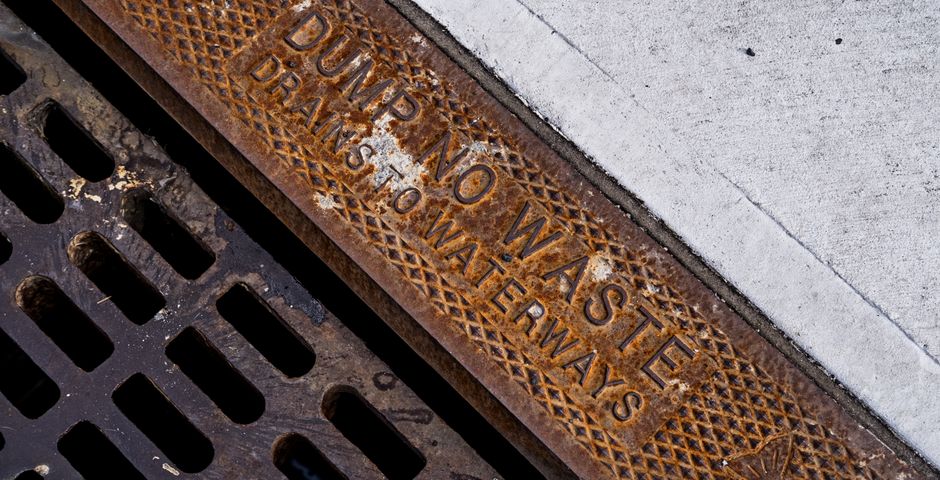
The American cockroach is, despite the name, not particularly American. It originated in West Africa and was spread around the world’s tropical and subtropical ports by colonial shipping. It is more accurately described as a global drain-dweller with a passport problem. In Malaysia it is everywhere: every storm drain, every sewer, every back lane, every basement, every grease trap. You have one in your house tonight if you have a drain pipe.
Unlike the German, the American does not breed indoors. It breeds in dark warm humid outdoor spaces — exactly the conditions inside any Malaysian drain — and adults wander indoors at night looking for water and the occasional scrap of organic matter. They live up to 2 years (compared to about 100 days for a German) and can survive a week without their head, which is a detail you probably did not need to know but is now in your brain forever.
The behaviour pattern is consistent: you don’t see them for weeks at a time, then one shows up at 2am in the bathroom, runs the length of the floor, vanishes under the sink, and you spend the next ten minutes standing on the bed Googling “are cockroaches dangerous.” Two weeks later, another one. They are not multiplying inside your house. They are a steady drip of single visitors from outside.
The drain U-bend rule. Every sink, every floor trap, every shower drain has a U-bend that holds a small puddle of water. That water is the only thing stopping the pipe from being an open corridor to the storm drain. If you travel for 2 weeks in Malaysian heat, the U-bend dries up. Run water down every drain in the house before you leave and the day you get back.
When Both Are in the Same House
In most Malaysian terrace houses and ground-floor apartments, both species are present at the same time. They almost never compete directly — the German is in the kitchen cabinet, the American is in the bathroom drain, they keep different schedules, they want different things. The homeowner sees a small one one morning and a big one the next night and assumes they’re related, which they aren’t, except in the same way that your cat and the stray downstairs are both mammals.
When German cockroaches do bump into American cockroaches (in a shared drain space, for example), the German always wins the long game. Germans breed about 12 times faster, need a fraction of the food, and can squeeze into spaces the American physically cannot enter. The American is a slow heavyweight. The German is a fast featherweight that brings 40 kids to the fight.
For treatment purposes, this means the two problems get solved separately — one job, two zones, two product types. A technician who treats only inside (German bait but no perimeter spray) leaves the American problem alone. A technician who treats only outside (drain treatment but no indoor baiting) leaves the German colony breeding.
A recent job in Section 7, Shah Alam — homeowner thought she had one cockroach problem getting worse. She kept seeing the big shiny ones in the bathroom and assumed they were “having babies” in the kitchen, because she was also finding small brown ones near the toaster. They were two different species running parallel. Baiting the kitchen handled the Germans. Sealing the bathroom floor trap and treating the back drain handled the Americans. Both gone inside two weeks. She thought it was witchcraft.
— Job notes, Nomobug field team
Two Species, Two Treatments

The mistake almost everyone makes is treating both species the same way. They aren’t the same problem and they don’t yield to the same fix.
German cockroach (inside)
Gel baiting inside the kitchen, placed exactly where the harbourage actually is — cabinet hinges, the crack behind the stove, the warm cavity beside the fridge motor. Pea-sized dots, not lines, not smears. The forager finds the bait, carries it back, the harbourage dies through horizontal transfer (the others eat the dead and pass the chemical through the group). Spray inside the kitchen is actively counterproductive — the smell ruins the bait and the survivors scatter into the next room. The full collapse cycle runs over 14 days with 3 short visits at day 0, day 7, and day 14 to keep fresh bait in front of newly hatching nymphs.
American cockroach (outside)
Non-repellent residual spray on the outdoor perimeter — back lane, drain perimeter, weep holes, exterior door frames, the floor around the rubbish bin area. Seal any obvious entry: kitchen sink U-bend kept wet, bathroom floor trap with a mesh cover, weep holes screened. American problems usually resolve once the route is closed and the outside is unattractive. No indoor baiting needed if the indoor sightings stop.
For the deeper breakdown of why one set of chemistry works on one species and not the other, see why cockroaches keep coming back after spraying. For broader context across Malaysian pests and where each one comes from, our pest control Selangor guide covers the four species that make up the bulk of household callouts.