Quick answer: In a strata building, pests live in the shared spaces — the refuse chamber, drains, risers, basement, and grounds — and travel from there into units, which is why treating unit by unit never works. Under the Strata Management Act 2013, common-area pest control is the JMB’s or MC’s responsibility, and a building-wide programme that treats the source is the only thing that stops the complaints. Nomobug runs documented common-area programmes for KL property managers, quoted per building. See our commercial services →
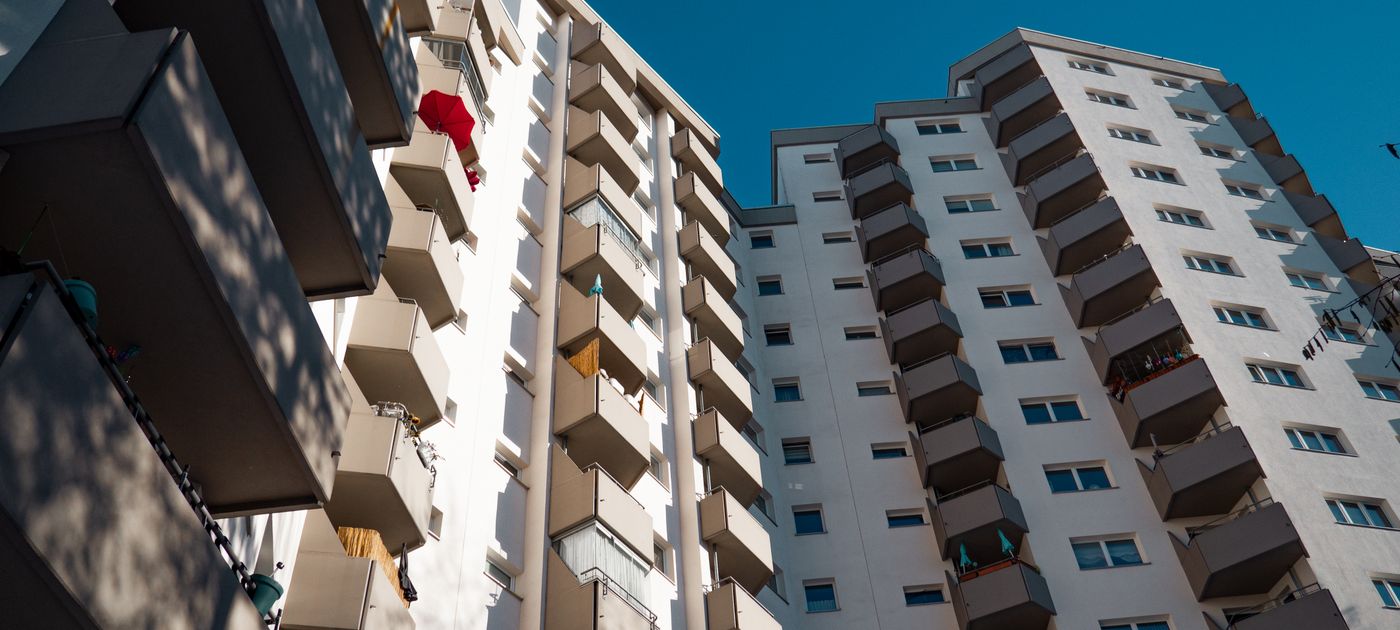
If you manage a condo or strata development, you already know the pattern: a resident reports cockroaches, you send someone to treat their unit, and three weeks later the unit next door reports the same thing. That’s because in a building, pests don’t live in the units — they live in the refuse chamber, the drains, the risers, and the basement, and they travel, so the only thing that actually works is a building-wide programme that treats the common-area source. Under the Strata Management Act 2013, that common-area pest control is the management body’s job. Here’s what a building-wide programme covers, and why it protects the JMB from complaints and liability alike.
Why can’t you fix it unit by unit?
Because you’re chasing the symptom, not the source. When a resident sees cockroaches, the colony isn’t theirs — it’s in the shared space their kitchen connects to. German cockroaches (Blattella germanica) breed in the warm, food-rich refuse chamber and travel up the service risers and drain stacks, surfacing in unit after unit along the way. Rats work the basement, the rubbish area, and the ceiling voids across whole blocks.
So treating one unit clears that unit for a couple of weeks while the source keeps pumping out reinforcements. You end up playing whack-a-mole across the building, unit by unit, complaint by complaint, and the residents conclude that management can’t fix it. The fix was never in the units. It’s in the common property. For the mechanism in a single tower, see how cockroaches spread through a high-rise.
Whose responsibility is common-area pest control?
The management body’s. Under the Strata Management Act 2013, the Joint Management Body (JMB) or Management Corporation (MC) is responsible for maintaining the common property to a safe and hygienic standard — and refuse chambers, drains, car parks, lifts, corridors, and landscaped grounds are all common property. Keeping them free of pests is part of that duty, and it sits under the oversight of the Commissioner of Buildings.
That responsibility cuts both ways. It’s why residents rightly bring pest complaints to the management office — and why a JMB that lets the refuse chamber breed cockroaches is exposed at the AGM and, potentially, to a liability claim. A documented building-wide programme is how a management body shows it’s meeting the duty: active control, on a schedule, with records to prove it.
The common areas that drive complaints
On a building walkthrough, the same handful of common areas produce almost all the complaints:
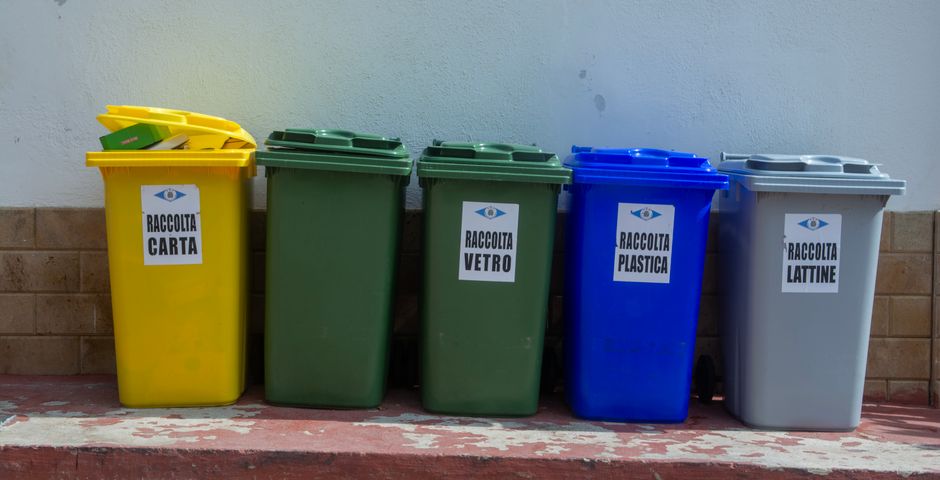
- The refuse chamber. Number one by a distance — food, warmth, and moisture make it the engine room for cockroaches, rats, and flies that then spread through the whole building.
- Drains and sewer risers. The highways cockroaches and the American cockroach (Periplaneta americana) use to travel between floors and into units.
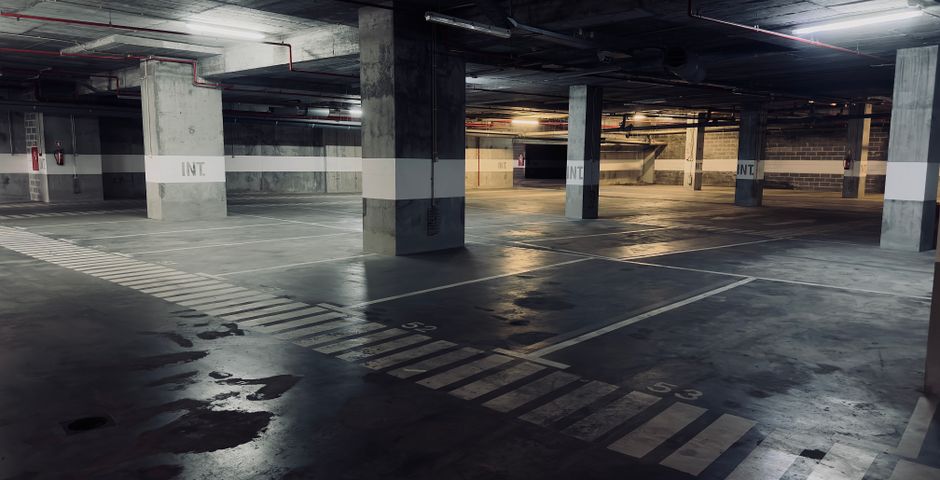
- The basement car park. Rats from the drains and rubbish area, and mosquitoes breeding in sump pits and stagnant water.
- Landscaped grounds and water features. Aedes aegypti breeding sites — a dengue risk for the whole community, not just a nuisance.
- Ceiling voids and riser rooms. Where rats (Rattus tanezumi, Rattus rattus) run and chew cabling — a fire and lift-outage risk on top of the hygiene one.
How does a building-wide programme work?
A building-wide programme treats the sources on a schedule, so nothing ever builds back up to the point residents notice. In practice it covers:
- Refuse chamber and drains. Gel baiting and treatment where the cockroaches and flies actually breed, plus proofing advice for the chamber.
- A rodent bait-station grid. External perimeter and basement stations, numbered and mapped, with non-toxic monitoring in sensitive areas.
- Insect light traps. In refuse, loading, and lobby areas, away from residents.
- Grounds mosquito control. Aedes source reduction and larviciding across the landscaping and sump pits, with out-of-hours fogging in dengue season.
- Full documentation. Service reports, a numbered site map, and monitoring logs handed to the management office every visit — evidence for residents, the AGM, and the Commissioner of Buildings.
A condo JMB in Cheras was getting a stream of cockroach complaints from units on the lower floors — the previous contractor had been treating individual units on request and never touched the common areas. We found the refuse chamber crawling and the drain stack acting as a highway up the block. Once we put the chamber, drains, and basement on a monthly programme, the unit complaints dried up within two months.
— Job notes, Nomobug field team
Does it cover the inside of units?
The management contract covers common property — not the interior of private units, which under the Act remains each owner’s responsibility. That line matters for a JMB’s budget and its liability, so it’s worth being clear with residents about where it falls.
Here’s the useful part, though: because the source of most unit infestations is the common area, treating that source dramatically cuts what ever reaches the units in the first place. And for residents who still want their own unit done, Nomobug can offer a discounted resident rate arranged through the management office — so the building’s problem and the resident’s problem both get solved, without the JMB taking on private-unit cost.
How much does it cost?
Buildings vary far too much to quote off a menu — number of blocks and floors, refuse chambers, basement levels, and the size of the grounds all change the scope. So common-area pricing is set after a free site inspection:
Free site inspection first
We survey your building, then quote a final price
Based on blocks, floors, refuse chambers, basements & grounds · portfolio pricing for multiple buildings
What a building-wide programme includes
- A free site inspection first. We survey the common areas at no charge, then quote a documented programme — you only pay once you book.
- Refuse chamber, drain & riser treatment. Targeting the source that spreads to units.
- Rodent bait-station grid. Perimeter and basement, numbered and mapped, non-toxic monitoring in sensitive areas.
- Grounds mosquito control. Aedes source reduction, larviciding, and dengue-season fogging.
- Documentation every visit. Reports, site map, and monitoring logs for residents, the AGM, and the Commissioner of Buildings.
- Portfolio pricing. Managing agents with several buildings can arrange one arrangement across their properties.
- Optional discounted resident rate. For unit interiors, arranged through the management office.
- Flexible payment. Pay upfront, or split into 3 interest-free payments with ATOME (0% interest).



I’m giving him a 5-star rating.
Overall, from the last two visits, I found many spots/nests. The gel bait and Provcta were very impressive. The effect was very noticeable; the cockroaches were no longer visible in the kitchen. There were fewer in the living room. Today was my last visit for baiting and spraying. Hopefully, there will be no more cockroaches after this, God willing.
Highly recommended!



Nomobug has just completed their second service at my home, and once again I’m extremely impressed. They carried out contingency recurring control twice, especially targeting ants and cockroaches, and I really appreciate how they honor their warranty with such professionalism. The overall appointment scheduling and service management were smooth and reliable, which makes me feel very secure and well taken care of.
I’m very satisfied with the results and would highly recommend Nomobug to anyone looking for thorough pest control. Once my current contract finishes, I will definitely be renewing it.
It’s also worth highlighting that the same technician, Faris, has been consistently handling my house. He is punctual, polite, and highly professional. After completing the treatment, he provided a detailed report outlining his findings and preventive actions, even showing me examples of the control measures implemented. This level of transparency and care is rare, and I truly value it.
Overall, Nomobug continues to exceed my expectations—reliable, professional, and trustworthy.
4 MONTHS AGO:
I recently engaged Nomobug Servis Pest Control for a comprehensive treatment targeting cockroaches, ants, rats, common house geckos, and centipedes. They covered both the interior and exterior of my home—including my car—which was a huge plus.
The first service focused on prevention and control, and I was thoroughly impressed. The technician, Faris, was punctual, polite, and highly professional. He took the time to explain each step of the process—from inspection to recommending suitable control measures—and his work was exceptionally clean and tidy.
After completing the treatment, Faris provided a detailed report outlining his findings and the preventive actions taken and even showed me examples of the control measures implemented. I truly appreciated the transparency and care.
Overall, I’m very satisfied with their service and would confidently recommend Nomobug to anyone looking for reliable and thorough pest control.

Izzat handled it efficiently and professionally. Your quick response and technical skills really made the process smooth. Great teamwork and problem-solving!





Almost all places are sprayed.
Suggestions,
Hopefully the admin will send the same technician to work. Anyway, we are very satisfied with today’s service.
Thank you

We definitely add more services from them