Quick answer: Pests come back every 3 to 6 months because that is roughly one breeding cycle in Malaysia’s heat, and no single treatment can kill eggs that haven’t hatched yet or seal the drains and wall gaps the next wave walks back through. The German cockroach (Blattella germanica) can rebuild a full colony from a handful of survivors in one quarter. The fix isn’t a stronger spray — it’s three visits inside 14 days that destroy the whole breeding cycle in one programme, plus sealing the way back in. See how our general pest programme works →
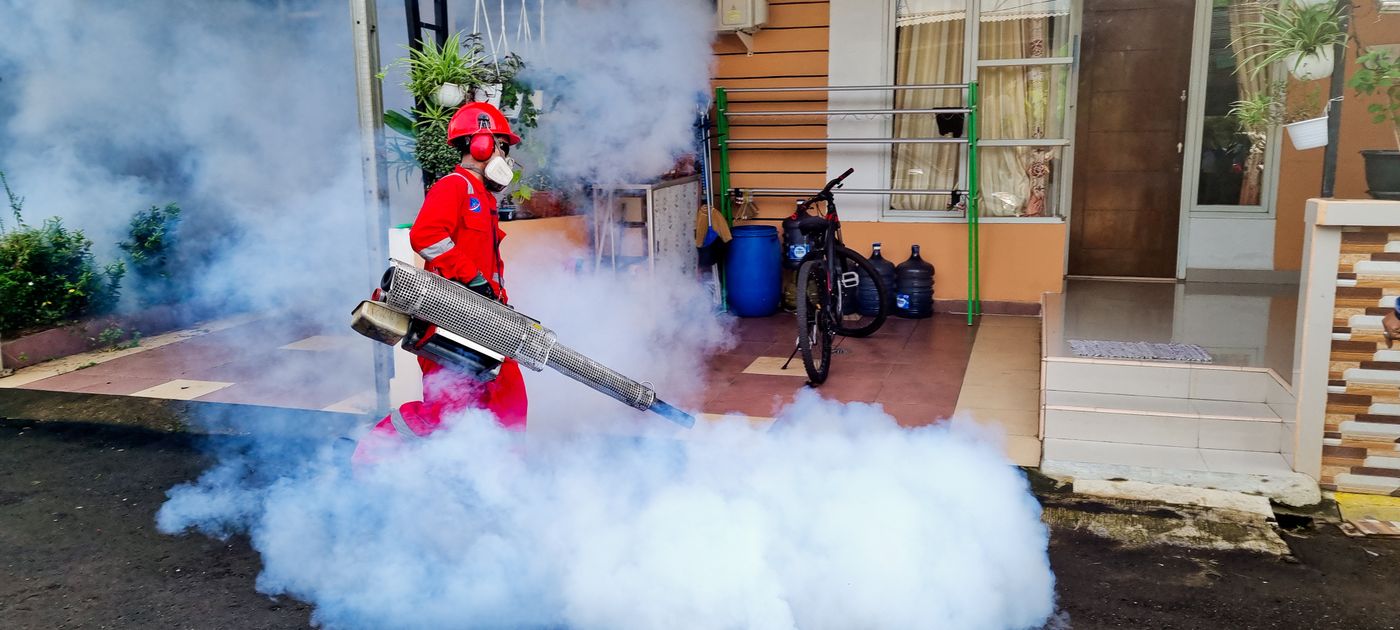
Pest problems recur every 3 to 6 months because that stretch is one full breeding cycle for the insects living in Malaysia’s heat — and a single treatment only clears the generation you can see, not the eggs waiting to hatch or the re-entry points that let the next wave walk straight back in. It feels like the company failed you. In most cases, nobody failed. The biology and the building did exactly what they always do. Here is the honest version of why it happens, and what genuinely stops the cycle instead of just resetting the clock.
Why do pests keep coming back every few months?
You booked a treatment. For a few weeks, quiet. Then, right around the three-month mark, you spot one lipas on the kitchen floor at night. Then two. By month four you’re back to where you started and you’re wondering whether the whole thing was a waste of money.
Here is the part most companies won’t say out loud: a single pest treatment was never going to make your home a permanently sealed fortress. Recurrence is driven by three things working together — the pest’s life cycle, the openings in your building, and Malaysia’s climate. A good treatment beats the population down hard. What it can’t do is rewrite biology or brick up your drains. When people say “the pest control didn’t work,” what actually happened, nine times out of ten, is that the parts a single visit can’t touch quietly rebuilt the parts it did.
Let’s take the reasons one at a time, because each one has a fix.
You can’t kill an egg — the life-cycle gap
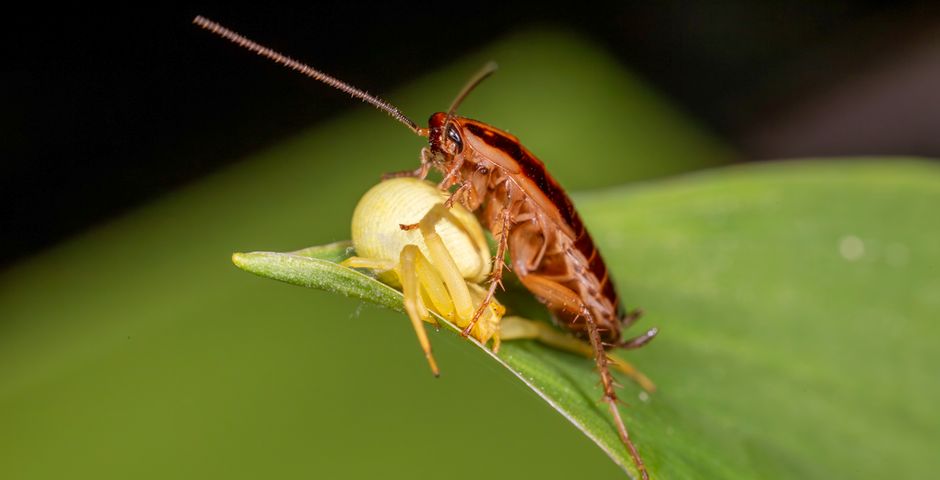
Most insecticides kill on contact or through ingestion. Almost none of them kill an egg. The egg case sits sealed and protected — a German cockroach ootheca carries up to 40 nymphs, glued in a crack you never see. On treatment day those eggs are untouched. A week or two later they hatch into a fresh generation the chemical never met.
The maths is unforgiving. Start from five surviving females. Each produces several egg cases in her short, productive life. With no follow-up, you can be looking at a few hundred cockroaches within a quarter — which is precisely the “3 months later and they’re back” window everyone recognises. It’s the same story with ants, whose queens keep laying underground the whole time, and with rats: Rattus tanezumi, the common Asian house rat indoors in Malaysia, can turn one breeding pair into dozens of offspring across a year.
This is why a single visit is the wrong shape for an established colony. You need pressure again after the eggs hatch, before the new adults breed. That is the entire logic behind a short series of visits rather than one big spray. Here’s how long treatment actually takes to work.
Your house was never a sealed box
Treating the inside of your home while the doors are open is like mopping the floor with the tap running. In a Malaysian terrace house, low-rise flat, or condo, your unit shares plumbing chases, drain risers, ceiling voids, and weep holes with the units around you and with the back lane. The pests you cleared didn’t necessarily “survive” — the ones you see three months later often walked in fresh.
The openings nearly everyone misses:
- Dried-out floor traps and sink U-bends — the water seal is the only thing blocking the drain. Go away for a week and it evaporates, turning the pipe into an open corridor for cockroaches. Run water down every trap weekly, especially before you travel.
- Gaps around pipes and cable entries — behind the fridge, under the sink, where the aircon conduit passes through the wall. Rats need a gap the width of a 20-sen coin; young cockroaches need almost nothing.
- Cracked silicone behind the kitchen splashback — the void behind it is a five-star harbourage, and it opens up within 2 to 3 years of any renovation.
- Roof-tile gaps and ceiling access — the roof rat (Rattus rattus) runs the ceiling voids and drops in from above, nowhere near your ground-floor treatment.
A treatment that isn’t paired with sealing these will always be temporary. It’s not that the chemical failed — it’s that the road back in was never closed. If rodents are your recurring issue, this breakdown of the entry points rats actually use is worth ten minutes.
Is your neighbour’s infestation becoming yours?
This is the one that quietly frustrates the most people, because it feels deeply unfair — and it is. You can run a spotless kitchen and still get cockroaches from the unit next door. German cockroaches spread along shared walls and service ducts. In a condo, a single heavily infested unit can seed an entire floor through the riser. In a terrace row, the boundary wall and the shared back drain do the same job.
You cannot treat your neighbour’s house, and neither can we without their booking. What you can do is harden your own perimeter — seal the shared-wall penetrations, keep the drain traps wet, and run a regular maintenance treatment that keeps knocking down the migrants before they establish. Recurrence here isn’t a failed treatment. It’s a supply line you don’t control, which is exactly why ongoing pressure beats one-and-done.
“Is my 2nd time after more than a year. Had experience with many companies before but doesn’t take too long the ants come again for like few weeks until i found them. Good service, effective… Good explanation by their staff yuvan.”
— amir arshad (Google review). Other companies made the ants vanish for a few weeks. The difference wasn’t a stronger chemical — it was finding the source and explaining it.
The conditions that invited them never left
Pests come for three things: water, food, and shelter. If a treatment removes the pests but the conditions that drew them stay put, you’ve cleared the guests and left the invitation on the door. A slow leak under the sink, a bin that isn’t sealed, pet food left down overnight, a blocked gutter holding water — each one is a standing reason for the next generation to move in.
None of this is about a dirty house. German cockroaches survive on milligrams of residue a day; Aedes aegypti breeds in a bottle cap of clean rainwater. It’s about specific, findable conditions. The technician’s job is to point them out; closing them is what keeps the recurrence clock from restarting. Fix the leak and the crumbs and you’ve done more for the next six months than another RM50 of insecticide would.
Why 3 to 6 months, specifically?
The interval isn’t random. Two clocks line up. The first is biology: after a single spray that knocks the colony down but never touches the eggs, 3 to 6 months is roughly how long the survivors take to breed back to a level you’d notice again. Destroy the full lifecycle instead — which is the whole point of the 14-day programme below — and there is no colony left to rebuild. The second clock is the weather. Malaysia’s monsoon and heavy-rain spells flood the drains, soil, and outdoor harbourages where pests normally live, pushing cockroaches, ants, and rats indoors to stay dry.
Put those together and you get the pattern everyone recognises — a quiet stretch, then a sudden return that seems to come from nowhere but actually tracks the calendar and the sky. It’s why homes near drains, wet markets, and construction sites recur faster. If your returns always seem to follow a downpour, here’s why pests get worse after rain.
What actually breaks the recurrence cycle?

Once you know the three drivers — the egg gap, the open building, the conditions — the fix is obvious. You attack all three, and you time it to the hatch instead of hoping one visit holds.
- Three visits inside 14 days, not a single spray. This is the core of it. Nomobug’s general programme runs 3 visits inside one 14-day window using the BASF Provecta range — gel baits for cockroaches and ants, non-repellent residuals along the travel paths. The tight window is deliberate: it sits right on top of the egg hatch. Visit one kills the adults; visits two and three kill the nymphs as they emerge from eggs the chemical couldn’t reach, before any of them mature and breed. Done properly, that destroys the full lifecycle in one programme — it doesn’t just knock the numbers down for a quarter.
- Find the source and the doors. The inspection matters more than the chemical. Pull the stove, torch the cabinet voids, check the drain traps and pipe penetrations, flag the leak. Sealing the re-entry points is what stops the neighbour’s colony and the back drain from re-supplying yours.
- A warranty that actually means something. A warranty here means free re-service if the pest returns inside the covered window — not money back. It’s your safety net for the eggs a treatment can’t reach.
- Maintenance only where there’s an outside supply line. Once the 14-day programme has cleared the colony, most homes are done — no ongoing subscription needed. The exception is a home with pests constantly walking in from outside: a shared condo riser, a terrace row, a wet market next door. There, an occasional maintenance visit keeps knocking down the migrants before they settle. That’s prevention against something you don’t control — not a sign the treatment wore off. Here’s how often is actually worth it.
Because the honest question behind all this is “am I going to keep paying forever,” here’s how the two approaches compare on cost — market rates, not ours:
| Approach | What you get | Typical market price (RM) |
|---|---|---|
| Single one-off visit | One spray, no follow-up, no warranty | 330 |
| 3-visit plan (14 days) | Destroys the full lifecycle, with warranty | 550 |
| 4x yearly | Maintenance across the breeding cycles | 880 |
| Buy 6 Free 6 (year-long) | 12 visits for shared-building or high-risk homes | 1,650 |
For reference, Nomobug’s actual prices sit roughly 10% below the market: RM299 for a one-off, RM499 for the 3-visit 14-day plan with warranty (three visits across a fortnight, timed to the hatch — not spread quarterly), RM799 for 4x yearly, and RM1,500 for Buy 6 Free 6. A quote far below these usually means diluted chemical or a skipped inspection — which is how you end up back here in three months.



I’m giving him a 5-star rating.
Overall, from the last two visits, I found many spots/nests. The gel bait and Provcta were very impressive. The effect was very noticeable; the cockroaches were no longer visible in the kitchen. There were fewer in the living room. Today was my last visit for baiting and spraying. Hopefully, there will be no more cockroaches after this, God willing.
Highly recommended!



Nomobug has just completed their second service at my home, and once again I’m extremely impressed. They carried out contingency recurring control twice, especially targeting ants and cockroaches, and I really appreciate how they honor their warranty with such professionalism. The overall appointment scheduling and service management were smooth and reliable, which makes me feel very secure and well taken care of.
I’m very satisfied with the results and would highly recommend Nomobug to anyone looking for thorough pest control. Once my current contract finishes, I will definitely be renewing it.
It’s also worth highlighting that the same technician, Faris, has been consistently handling my house. He is punctual, polite, and highly professional. After completing the treatment, he provided a detailed report outlining his findings and preventive actions, even showing me examples of the control measures implemented. This level of transparency and care is rare, and I truly value it.
Overall, Nomobug continues to exceed my expectations—reliable, professional, and trustworthy.
4 MONTHS AGO:
I recently engaged Nomobug Servis Pest Control for a comprehensive treatment targeting cockroaches, ants, rats, common house geckos, and centipedes. They covered both the interior and exterior of my home—including my car—which was a huge plus.
The first service focused on prevention and control, and I was thoroughly impressed. The technician, Faris, was punctual, polite, and highly professional. He took the time to explain each step of the process—from inspection to recommending suitable control measures—and his work was exceptionally clean and tidy.
After completing the treatment, Faris provided a detailed report outlining his findings and the preventive actions taken and even showed me examples of the control measures implemented. I truly appreciated the transparency and care.
Overall, I’m very satisfied with their service and would confidently recommend Nomobug to anyone looking for reliable and thorough pest control.

Izzat handled it efficiently and professionally. Your quick response and technical skills really made the process smooth. Great teamwork and problem-solving!





Almost all places are sprayed.
Suggestions,
Hopefully the admin will send the same technician to work. Anyway, we are very satisfied with today’s service.
Thank you

We definitely add more services from them