Quick answer: In a gated and guarded community, the pests come from the shared spaces — the parks, perimeter drains, landscaping, and guardhouse — and reach every home, so the fix is a coordinated common-area programme run at Residents’ Association or JMB level, not home by home. The biggest shared risk is dengue: Aedes aegypti breeding in the park drainage and water features. It’s also a landed setting, so termites (Coptotermes gestroi) matter alongside mosquitoes. See our commercial services →
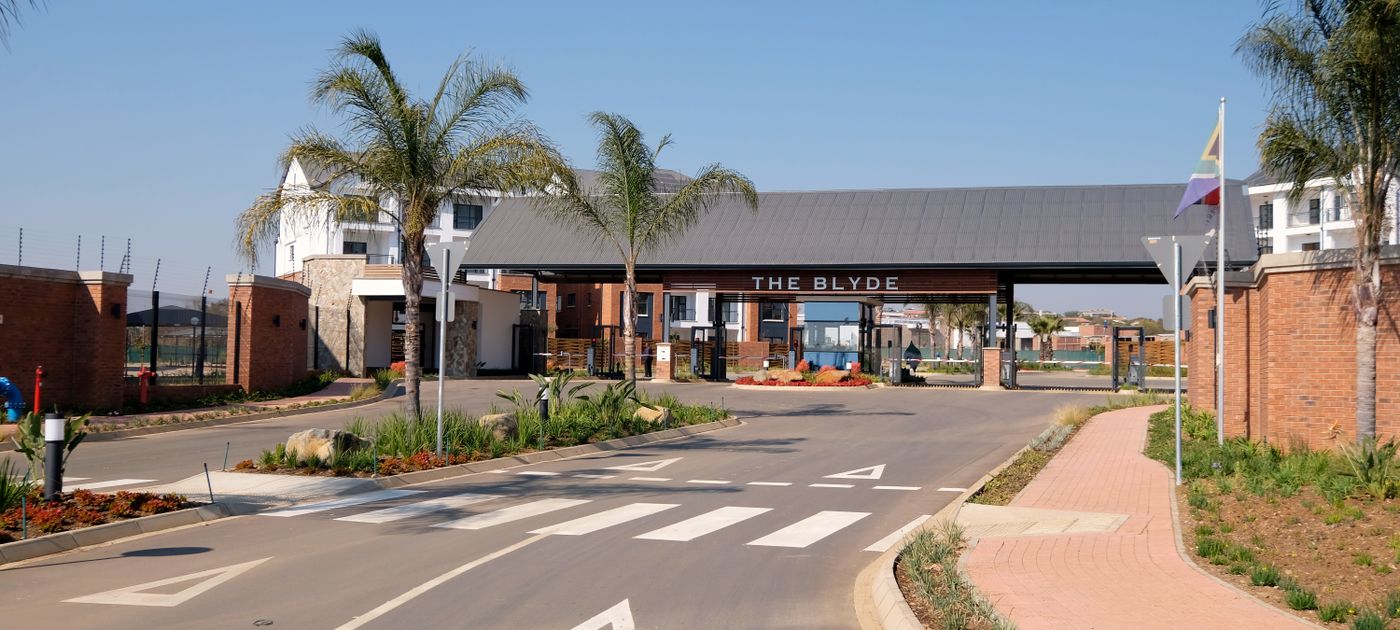
A gated and guarded community sells one thing above all: a clean, safe, well-run place to live. Pests undercut exactly that, and in a community with shared grounds they don’t stay in one house. The mosquitoes breeding in the park drainage, the rats in the perimeter drains, and the termites moving through the soil under the landed homes are community problems, which is why the answer is a coordinated programme run at Residents’ Association or JMB level — treat the shared source once, and protect every home. Here’s what that looks like across a Klang Valley gated scheme, and where the dengue risk really sits.
What’s different about a gated community?
Two things set it apart from a single home and from a high-rise condo. First, the shared spaces are extensive and outdoors — parks, playgrounds, jogging paths, perimeter fencing and drains, a guardhouse, often a clubhouse and pool — and all of it breeds pests that spill into the homes around it. Second, it’s landed: each home has its own compound and its own soil, which puts termites and ground pests on the table in a way a condo never has.
So a gated community needs both halves: a coordinated common-area programme for the shared spaces, run at Residents’ Association or JMB level so it’s done once for everyone, and the option for residents to protect their individual landed homes. Treating homes one at a time while the park drains keep breeding mosquitoes is the same losing game as treating condo units one at a time — you can see how that plays out in a tower in our guide for property management companies.
The pests a Klang Valley gated community faces
The shared-and-landed mix produces a distinct line-up:
- Aedes mosquitoes (Aedes aegypti). Breeding in park drainage, water features, and blocked perimeter drains — the dengue risk for the whole community. The big one, covered below.
- Subterranean termites (Coptotermes gestroi). Moving through the soil under the landed homes, especially on former agricultural land — the most expensive problem a bungalow owner ever faces.
- Rats (Rattus norvegicus). Living in the perimeter and shared drain network, moving between homes and the common areas.
- Cockroaches. From the drain network and refuse points, surfacing in kitchens across the scheme.
- Snakes and monitor lizards. Drawn in from nearby green belts and rivers by the rats and standing water — a real concern in landscaped, waterside communities.
Why is dengue the biggest shared risk?
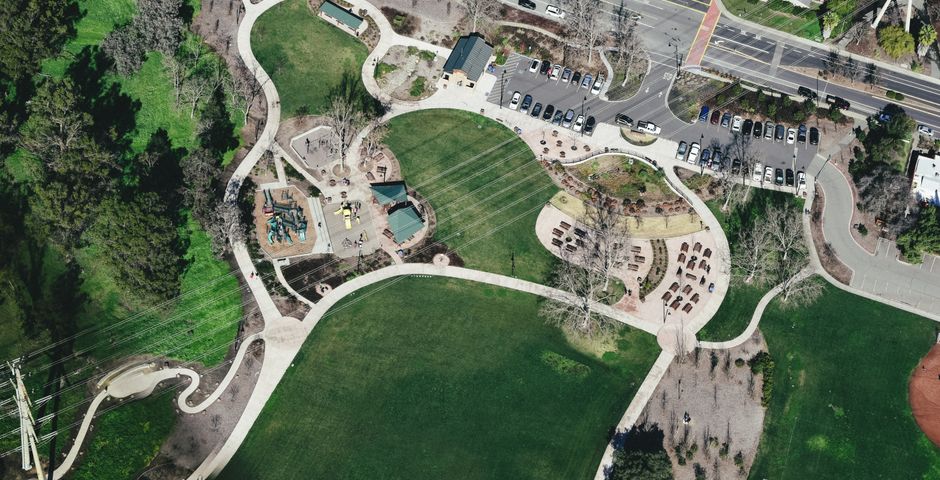
Because it’s the one pest problem that’s genuinely communal and genuinely dangerous. Aedes aegypti breeds in small pockets of standing water all over the shared grounds — park drainage, decorative water features, blocked perimeter drains, clogged gutters on the clubhouse, and puddles on the field after rain. A single overlooked breeding site doesn’t stay local; it can seed a dengue cluster that runs across the whole community.
For a Residents’ Association, that’s both a health emergency waiting to happen and a reputation and liability issue. The control that actually works is source reduction — finding and clearing every breeding site across the common areas and larviciding water that can’t be drained — in line with the Ministry of Health’s Search and Destroy Aedes routine, with fogging reserved for knocking down adults in peak season. Fogging alone, the thing communities often ask for, does nothing about the eggs. See our full guide to Aedes mosquitoes and dengue.
A gated community in Kota Kemuning brought us in after two dengue cases in the same month — the committee had been booking one-off fogging that never held. We walked the grounds and found the real breeding sites: the park’s ornamental drain, a blocked sump behind the clubhouse, and a row of plant saucers at the guardhouse. Source reduction plus monthly larviciding across the common areas, and the breeding count dropped to near zero by the third visit.
— Job notes, Nomobug field team
Termites and the landed-home problem
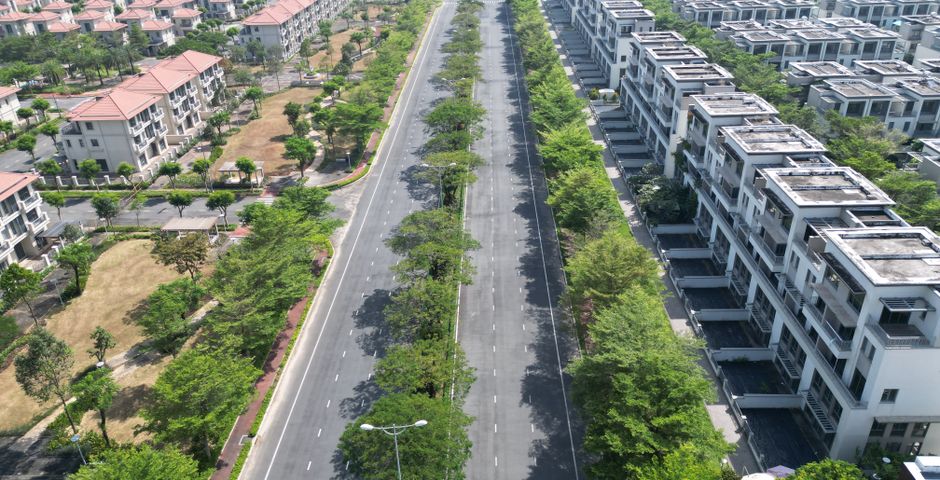
This is the part a condo never has to worry about. The landed homes in a gated community sit on soil, and many Klang Valley schemes were built on former agricultural or plantation land — prime conditions for subterranean termites (Coptotermes gestroi). They travel underground, build mud tubes into the timber of a house, and eat it from the inside out, usually for a few years before the owner sees a sign.
Termites are treated home by home — a chemical soil barrier or a baiting system that runs until the colony is destroyed — but a gated community is the ideal place to do it as a group. A Residents’ Association can arrange a community rate so residents inspect and treat at a fraction of the individual price, before a neighbour’s untreated home becomes the next one’s problem. For the cost side, see termite treatment costs in Selangor.
Whose job is it — the RA or the homeowner?
The split is clean, and worth being clear about with residents. The common areas — parks, perimeter drains, landscaping, guardhouse, and clubhouse — are the Residents’ Association’s or management body’s responsibility, and for strata-titled gated schemes that duty sits under the Strata Management Act 2013 and the Commissioner of Buildings. The interior and compound of each landed home belongs to the owner.
But the two are connected: the shared drains and grounds are the source of most of the pressure that reaches the homes, so the community programme is what does the heavy lifting for everyone. Individual homes — general pest, or a termite programme — are then added at a discounted community rate through the management office, so nobody’s left exposed and no one overpays.
How does coordinated treatment work?

One scheduled programme, run through the RA or JMB, covers the shared source:
- Mosquito source reduction & larviciding. Across parks, drainage, water features, and perimeter drains — with dengue-season fogging on top.
- A rodent bait-station grid. Along the perimeter and drain network, numbered and mapped.
- Guardhouse & clubhouse treatment. The staffed and shared buildings kept clear.
- Documentation every visit. Service reports, a site map, and monitoring logs for the committee and the AGM.
- Optional home rate. A discounted general-pest or termite programme for individual landed homes, arranged through management.
How much does it cost?
Communities vary far too much to quote off a menu — the number of homes, the park and green-space area, the length of perimeter and drains, and the guardhouse and clubhouse all change the scope. So the common-area price is set after a free site inspection:
Free site inspection first
We survey the community, then quote a final price
Based on homes, parks, drains, perimeter & shared buildings · discounted rate for individual homes
What a community programme includes
- A free site inspection first. We survey the common areas at no charge, then quote a documented programme — you only pay once you book.
- Mosquito & dengue control. Source reduction, larviciding, and peak-season fogging across the grounds.
- Rodent bait-station grid. Perimeter and drain network, numbered and mapped.
- Guardhouse & clubhouse treatment. The shared buildings covered.
- Documentation every visit. Reports, site map, and monitoring logs for the committee and AGM.
- Discounted individual-home rate. General pest or a termite programme for residents, through management.
- Flexible payment. Pay upfront, or split into 3 interest-free payments with ATOME (0% interest).