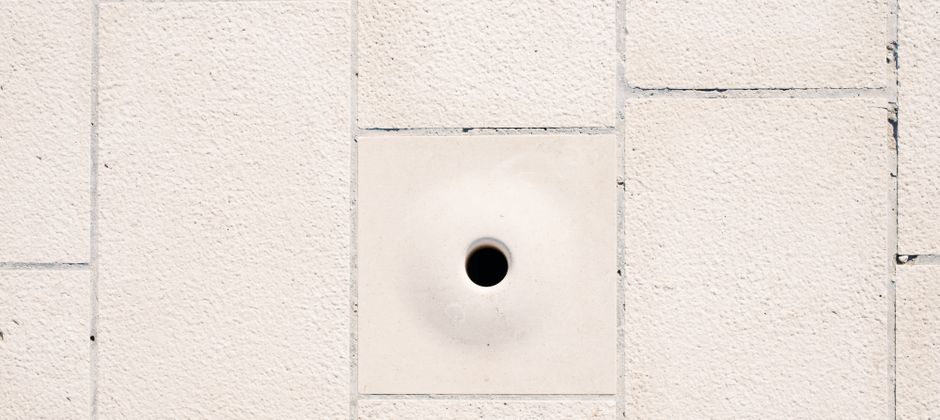
Rats keep entering Malaysian houses because a roof rat only needs an opening the size of a 20-sen coin — roughly 12 mm — to squeeze through, and the average Malaysian terrace house has between 6 and 9 of them. The ones people miss aren’t hidden; they’re the ones that look too tidy or too official to be a door: the uncapped drainage hole behind the kitchen wet area, the air-con condensate pipe through the gable wall, the cable conduit running into the meter box, the gap behind a built-in kitchen cabinet, and the back-bathroom floor trap that has been dry for weeks because nobody flushes it. Block one and the rat takes the next. The fix is finding all nine on the same day.
Why Sealing One Hole Never Works
A rat does not commute. It runs the same path night after night because the path works. That path almost always has at least two access points to the outside — one main entry and one or two backups it uses when the main one is wet, busy, or has a torch shining on it. Block the visible one without finding the others and you’ve moved the rat to the second-favourite hole. The noise sounds quieter for a fortnight and then comes back.
This is why “I sealed the gap behind the fridge and the rat is still here” is the most common follow-up call we get. The gap behind the fridge was where you saw the rat. The corridor it was using ran from the back drain, through the wet-kitchen wall, behind the cabinets, and out at the fridge. Closing one end leaves four metres of pipe chase still wide open.
Ground-Level Entry Points (Norway Rats)
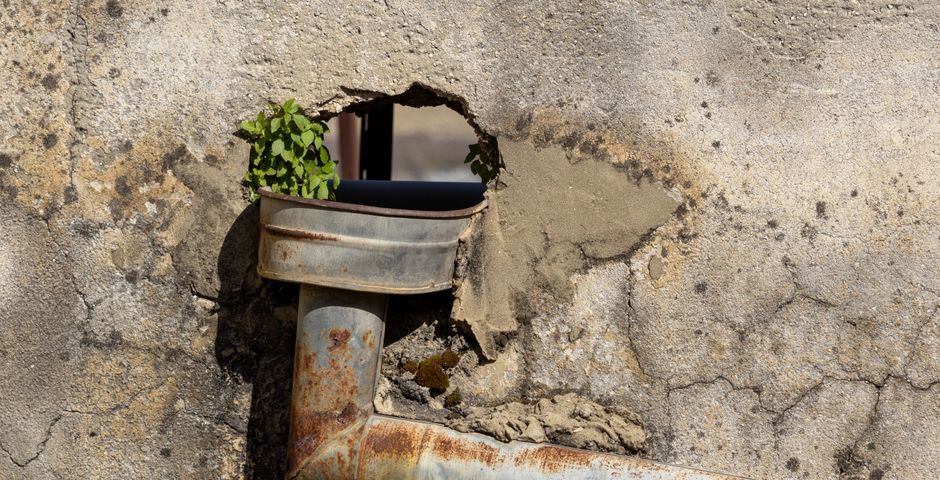
The Norway rat (Rattus norvegicus) lives in your drains and back lane, not your ceiling. It’s the bigger of the three urban Malaysian rats — 300 to 500 grams — and it climbs poorly but swims well. Its entry points are at ground level:
- Uncapped drainage holes in the back lane. The brick-lined surface drains running behind Malaysian terrace rows have access points every few houses. When the cement collar around a pipe cracks, the rat walks through. Walk your back lane in daylight and look at the base of every pipe.
- The bathroom or wet-kitchen floor trap. The water seal in the trap is the only thing between your floor and the building’s waste line. In a guest bathroom that nobody uses, the seal evaporates inside two to three weeks. Pour a cup of water down every floor trap weekly.
- Sink U-bends and grease traps. Same logic — the U-bend’s water plug dries out if the kitchen is not used. The grease trap in landed houses is usually accessible from outside with a poorly seated lid.
- The gap under the main door, side door, and store-room door. A 15 mm gap under an external door is normal in older Malaysian terrace houses. A Norway rat passes through it without slowing down. Add a metal sweep strip.
Wall-Level Entry Points (All Three Species)
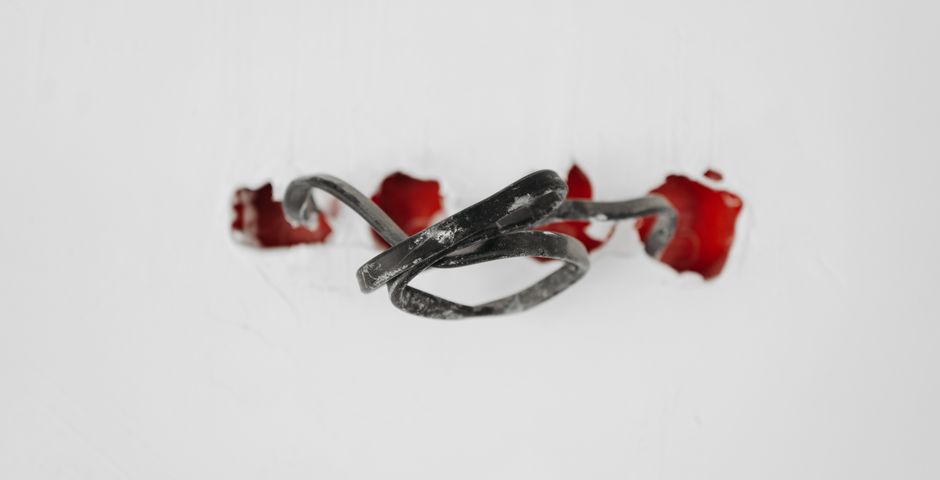
The wall-level entry points are where the three species overlap. Anything that passes through the exterior wall — a cable, a pipe, a vent — leaves a gap, and the gap is almost always wider than the thing in the middle of it. The ones we find most often on Malaysian inspections:
- AC condensate piping. Drilled through the gable wall, sleeved with PVC, and rarely sealed properly. The gap between the sleeve and the brick is often 10 to 20 mm. Roof rats use this constantly.
- The cable conduit at the meter box. The conduit running from the TNB box into your service riser is wider than the cable inside it. The gap at the wall penetration is a fast lane.
- Water-pipe penetrations. Inlet pipes from the meter, garden tap stand-pipes, irrigation runs. Anywhere a copper or PVC pipe pokes through a wall, the original drill hole is larger than the pipe.
- The wet-kitchen extractor hood vent. The flexible ducting from your hood to the external grille rarely fills the wall hole completely, and the external grille is often plastic with louvre vanes a rat can push through.
Roof-Level Entry Points (Roof Rats and Asian House Rats)
Climbing species — the roof rat (Rattus rattus) and the Asian house rat (Rattus tanezumi) — get in high. They scale a brick wall easily and squeeze through anything that isn’t fully closed:
- The eave gap. The triangular gap where the roof tile meets the gable wall is the number-one entry route in Malaysian terrace houses. It often runs the full length of the eave.
- Broken or shifted roof tiles after monsoon. Heavy rain plus old battens equals slipped tiles. A 30 mm gap appears and you don’t notice until you hear running.
- The roof manhole cover. Old timber covers get chewed at the edges. A new 20 mm gap from a chewed edge becomes a permanent door.
If the noise you’re hearing is up high and at night, you’re dealing with the climbers. The ceiling-rats sound ID guide has the full pattern, but for the entry-points purpose the rule is simple: every external opening above 2 metres should be inspected and either covered with hardware cloth or sealed.
The Indoor Entry Points People Never Check
Some entry points are inside the house — gaps the rat uses to move between rooms or between the wall cavity and your living space. They’re not where the rat got into the building, but they’re where the rat appears, and people assume the appearance point is the entry point.
- The void behind built-in kitchen cabinets. Whatever was behind the wall before the carpenter built the cabinets is still there. Usually a service riser, sometimes a settled gap to the wet kitchen. The void is dark, undisturbed, and warm — a textbook harbourage.
- The gap behind the fridge and oven. Pulled forward once during installation, never moved again. Cable glands behind them go through the wall to the meter box.
- Above the wet-kitchen ceiling. Many Malaysian wet kitchens have a separate plasterboard ceiling lower than the main roof, with a dead void above. Rats love it.
- The kitchen door frame top-stop. The gap above the kitchen door frame where it meets the lintel is often unsealed in older houses.
A Shah Alam customer kept finding droppings under the kitchen sink, even after sealing the back door gap and the floor trap. Inspection day, we pulled the side cabinet off the wall. Behind it was a 40 mm gap into the service riser the original developer had never closed. Steel wool, cement filler, and a sheet of hardware cloth across the back of the cabinet before it went back on. No droppings since. Cost to fix was lower than the price of the cabinet to take down and put back.
— Job notes, Nomobug field team
How to Seal Properly (and What Doesn’t Work)
Rats can chew. They can chew through soft sealants, plastic vents, foam-only fillers, and timber that has gone soft from damp. They struggle with steel, hardened cement, and welded wire mesh. The seal that lasts uses at least two of those, layered:
- Steel wool packed deep into the gap. Stainless if you can get it, galvanised if not. Fill the cavity, don’t just plug the opening.
- Marine-grade silicone or cement filler over the steel wool. Smooth and seal the visible face so nothing has a chewing edge to start on.
- Hardware cloth (welded wire mesh) for larger openings. 19-gauge / 6 mm aperture, cut larger than the opening, screwed or cement-anchored on all four sides.
- Door sweeps and threshold strips at floor level. Metal-backed, not plastic-only. Brushed nylon by itself does not last.
What does not work, and what we get called back for. Expanding foam alone (gets chewed in days), plastic mesh, sponge or rubber gap fillers, ordinary silicone without backing, electrical tape around a chewed cable. None of these survive a determined rat.
Why Sealing Order Matters: Bait First, Seal Second
The biggest mistake DIYers make is sealing before baiting. If there is an active colony inside and you close the front door, the rats now die inside the wall cavity. You spend two to three weeks living with a smell you cannot ventilate. The correct order:
- Inspect and map. Walk the perimeter and the interior. Photograph every gap above 12 mm.
- Bait the active corridors. Tamper-resistant bait stations at the high-traffic entry points outside, snap traps inside where bait is unsafe (children, pets).
- Wait 7 to 10 days. Confirm no fresh droppings, no new noise, no untouched bait.
- Seal everything on the same day. All nine categories above, in one pass.
This is the order Nomobug’s rat treatment runs on, and it’s the order to follow if you are DIYing it.
Indicative pricing in KL and Selangor for a typical 2-storey terrace rat seal-up and treatment job:
| Service | Typical market price | What you get |
|---|---|---|
| 1-visit rat treatment | RM330 – RM550 | Inspection, bait stations at known entry points, no return visit |
| 3 visits within 14 days with warranty | RM550 – RM800 | Initial treatment plus 2 return visits, warranty on recurrence |
| Perimeter entry-point seal-up | RM250 – RM700 | Hardware cloth + steel wool + sealant on all confirmed entry points |